Foreclosures Near Me: Your Comprehensive Guide to Understanding, Finding, and Evaluating Properties

Unlock the mysteries of the real estate world with our ultimate guide to foreclosures! Imagine the thrill of finding the perfect property at a fraction of its original cost. Whether you’re a first-time buyer or a seasoned investor, navigating the foreclosure market can seem daunting. But fear not! We’re here to transform that complexity into a manageable, profitable venture.
From understanding the ins and outs of foreclosures to finding hidden gems in your area, our comprehensive guide will equip you with the knowledge and tools you need to succeed. With a creative, persuasive touch, we’re ready to lead you on a journey to uncover incredible opportunities that await just around the corner.
Understanding Foreclosures
Diving into the world of foreclosures might seem daunting, but it’s a treasure trove of opportunities waiting to be discovered. Understanding the nuances of the foreclosure process is crucial for anyone interested in real estate investing or acquiring property at a potentially lower cost.
The foreclosure process begins when a homeowner falls behind on their mortgage payments, leading the lender to legally reclaim the property. This process not only affects the homeowners but also offers a unique chance for buyers to obtain properties at a reduced price. However, it’s important to navigate this process with care and knowledge.
The Foreclosure Process and Its Impact on Homeowners
Foreclosure is a legal process where the lender attempts to recover the balance of a loan from a borrower who has stopped making payments. The process can be lengthy and emotionally draining for homeowners, often resulting in the loss of their homes. Understanding how it unfolds is essential for both buyers and sellers.
Generally, the foreclosure process involves a series of steps:
- The homeowner misses mortgage payments.
- The lender sends a notice of default.
- If unresolved, the property is scheduled for auction.
- Once sold, the property is transferred to the new owner or reverts to the lender if unsold.
Each step has its own timelines and legal implications, which vary by region, emphasizing the need for prospective buyers to research local practices.
Common Reasons Properties Go into Foreclosure
Understanding the root causes of foreclosure can help you evaluate potential risks and rewards. Many properties go into foreclosure due to:
- Job loss or reduction in income
- Excessive debt or poor financial management
- Unexpected medical expenses
- Divorce or separation
- Adjustable-rate mortgage adjustments
By identifying these factors, investors can gauge the likelihood of future foreclosures in certain areas or demographic segments.
Overview of Foreclosure Laws and Regulations by Region
The legal landscape of foreclosures is intricate and varies significantly by location. Regulations influence every stage, from initiating foreclosure to the rights of homeowners and buyers.
A broad comparison of regional laws might look like this:
| Region | Foreclosure Type | Average Duration |
|---|---|---|
| California | Non-judicial | 4-6 months |
| Florida | Judicial | 9-12 months |
| New York | Judicial | Up to 3 years |
Each state’s specific laws govern how foreclosures are processed, and whether they are judicial or non-judicial greatly affects the timeline and complexity. It’s crucial for investors to acquire comprehensive knowledge of these regulations to make informed decisions.
“In the realm of foreclosures, knowledge isn’t just power; it’s a compass guiding you through a maze of opportunities.”
Finding Foreclosure Properties
Embarking on the journey to secure a foreclosure property can feel like a treasure hunt. With the right strategies and resources, you can uncover substantial opportunities in your area.
Effective searching and identification of foreclosure properties require a blend of online research, expert assistance, and strategic action. To navigate this landscape successfully, it’s vital to know where to look and who to consult. Equip yourself with knowledge, and you’ll soon be on the path to discovering the hidden gems of the real estate world.
Strategies for Searching and Identifying Foreclosures
To maximize your chances of finding lucrative foreclosures, consider using a mix of digital tools and local insights. Start by setting up alerts on various real estate platforms to get immediate notifications about new listings in your desired area. Additionally, driving through neighborhoods and looking for signs of vacant properties or “For Sale” notices can lead to potential leads. Regularly check public records in your area for Notices of Default and auctions, as these can be a goldmine for discovering properties entering the foreclosure process.
Websites and Platforms for Foreclosure Listings
In the digital age, numerous websites offer comprehensive foreclosure listings. Here’s a list of reliable platforms where you can begin your search:
- Realtor.com: Offers a dedicated section for foreclosures and bank-owned properties.
- Zillow: Features a “Pre-Foreclosure” and “Foreclosed” section under its listings.
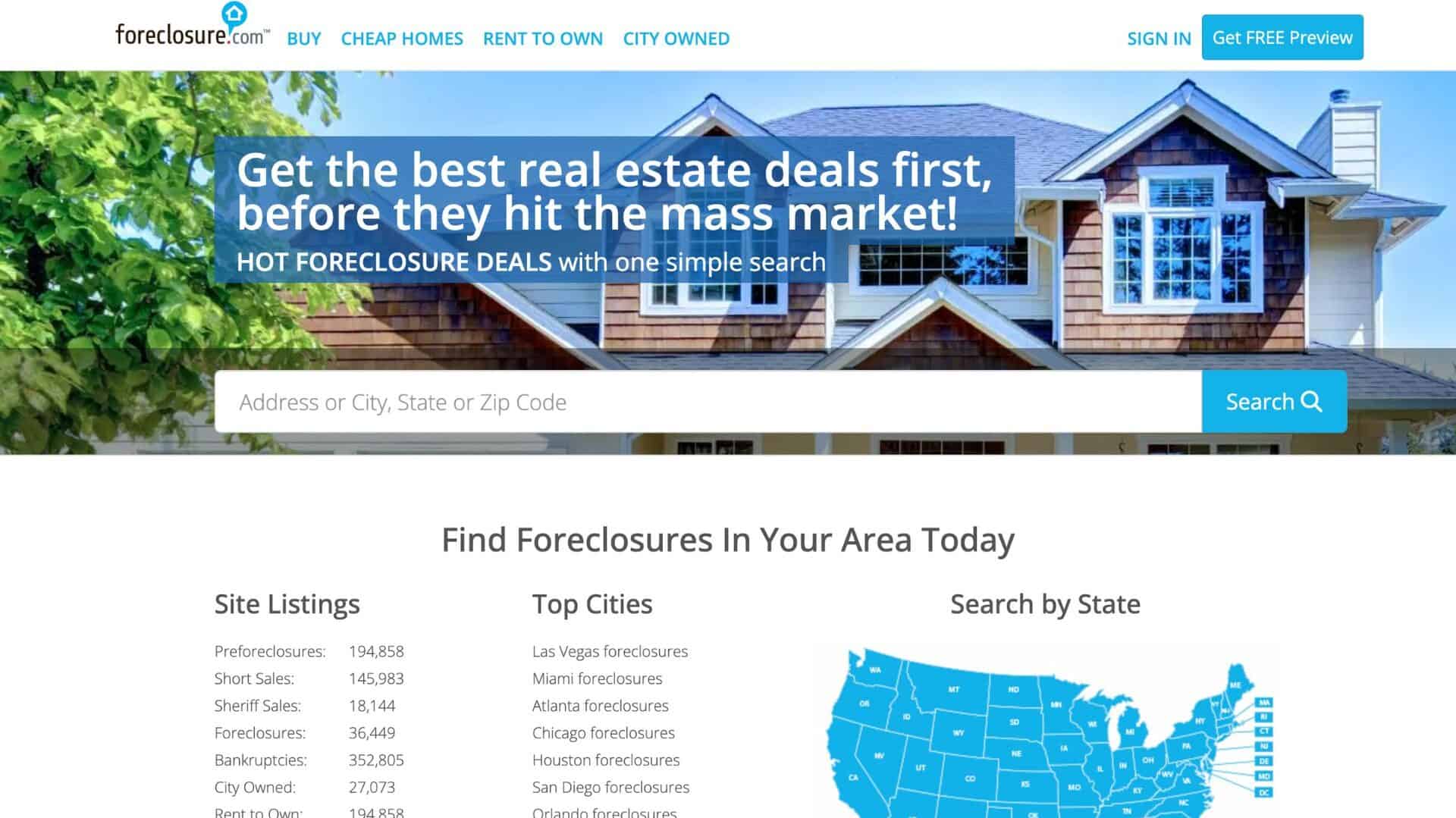
- Foreclosure.com: Specifically designed to provide extensive data on foreclosures across the United States.
- RealtyTrac: Known for offering robust information on foreclosures, REOs, and auctions.
- Hubzu: Allows users to bid on auctions for foreclosure properties.
Consistently monitoring these sites will ensure you are always in the loop with the latest foreclosure opportunities.
Working with Real Estate Agents Specializing in Foreclosures
Partnering with a real estate agent who specializes in foreclosures can be a game-changer. These experts have insider knowledge and connections that are invaluable when navigating the complexities of foreclosed properties. When selecting an agent, ensure they have a strong track record in handling foreclosures. Ask for references and success stories.
Here’s what to consider when choosing an agent:
| Criteria | Importance |
|---|---|
| Experience with Foreclosures | Crucial |
| Local Market Knowledge | Highly Beneficial |
| Negotiation Skills | Essential |
| Availability | Important for Fast-Moving Deals |
“Having a knowledgeable agent by your side can make the difference between a missed opportunity and a profitable investment.”
By leveraging the expertise of a seasoned real estate agent, you can navigate the foreclosure market with confidence and precision.
Evaluating Foreclosure Properties
Diving into the world of foreclosure properties can be both exhilarating and daunting. While these properties often come with great opportunities, they also carry their own set of challenges.
Understanding the pros and cons, as well as the potential risks and rewards, is crucial for any savvy investor or homebuyer looking to make a winning move in the foreclosure market.
The Pros and Cons of Purchasing Foreclosed Properties
Purchasing foreclosed properties can offer substantial benefits, but they are not without their drawbacks. Here, we examine the key advantages and disadvantages:
| Pros | Cons |
|---|---|
| Significantly reduced prices compared to market value. | Properties often sold “as-is,” which may include hidden damages. |
| Potential for high returns on investment if the property value increases. | Possible complications with existing liens or title issues. |
| Less competition from other buyers, allowing for quicker purchasing decisions. | Limited ability to inspect the property prior to purchase. |
Understanding the Risks and Rewards of Buying Foreclosures
While foreclosures can pave the way to significant financial gain, they are inherently risky ventures. Evaluating these risks against potential rewards is essential for informed decision-making:
- Risk: Unknown property condition can lead to high repair costs.
- Risk: Legal issues can arise from unpaid taxes or liens.
- Reward: Potential to secure a property at a fraction of its market value.
- Reward: Opportunity to quickly build equity through renovations and improvements.
“Foreclosure properties are a treasure trove for those willing to dig through the dirt.”
Checklist for Assessing Foreclosed Property Condition and Value
Before diving headlong into a foreclosure purchase, ensure you have a comprehensive checklist to assess the property’s condition and value. This will help mitigate risks and maximize potential rewards:
- Inspect the property’s exterior for obvious signs of damage or neglect.
- Research any legal encumbrances, including liens and unpaid taxes.
- Evaluate the local real estate market to gauge potential future value.
- Consider the cost of necessary repairs and renovations.
- Obtain a professional appraisal to ascertain the property’s current market value.
By following this checklist, you can confidently navigate the complexities of purchasing foreclosed properties, ensuring your venture is both informed and strategic.
Financing Foreclosure Purchases
Delving into the world of foreclosures can be both intriguing and financially rewarding. However, understanding the intricacies of financing these unique purchases is crucial for a successful investment.
Securing financing for foreclosure properties requires navigating through various options that cater specifically to these types of transactions. Whether you’re eyeing a fixer-upper or a move-in-ready home, your choice of financing can significantly impact your investment.
Traditional Mortgages vs. Special Financing Programs
When considering purchasing foreclosure properties, it’s essential to weigh the pros and cons of traditional mortgages against special financing programs. Traditional mortgages typically involve conventional loan products offered by banks and mortgage lenders, which require a steady income, good credit score, and a substantial down payment.
On the other hand, special financing programs are designed to accommodate the unique nature of foreclosure purchases. These often provide more flexibility and may include lower interest rates, reduced down payment requirements, and streamlined approval processes.
| Traditional Mortgages | Special Financing Programs |
|---|---|
| Conventional loan products | Tailored for foreclosures |
| Requires good credit and income | More flexible credit requirements |
| Standard down payment | Potential for reduced down payment |
Government Programs Assisting Foreclosure Buyers
Government-backed programs can be a lifeline for foreclosure buyers, offering financial support and incentives to make these purchases more accessible. For instance, the FHA 203(k) loan program provides funding for both the purchase and renovation of a property, making it an ideal option for homes that require significant improvements.
Another valuable resource is the HUD’s Good Neighbor Next Door program, which offers significant discounts to eligible buyers such as teachers, law enforcement officers, and emergency personnel when purchasing designated homes in revitalization areas.
“The right financing can transform a foreclosure from a risky venture into a lucrative opportunity.”
By exploring these diverse financing avenues, buyers can leverage the potential of foreclosure properties to their advantage, ensuring a more profitable outcome.
Navigating the Bidding Process
Stepping into the world of foreclosure auctions can feel like diving into a realm where excitement meets opportunity. To seize the best deals, one must master the art of bidding effectively.
Understanding the ins and outs of the bidding process is crucial for anyone looking to acquire a foreclosed property. From pre-auction research to strategic offer placements, each step brings you closer to securing your desired property at potentially below-market prices.
Steps for Bidding at Foreclosure Auctions
Before attending a foreclosure auction, it’s important to be well-prepared to ensure a smooth bidding experience. Here’s a detailed overview of the steps you need to take:
- Research the Property: Gather as much information as possible about the property you are interested in, including its market value, condition, and any liens or encumbrances.
- Understand Auction Rules: Each auction may have different rules; familiarize yourself with the terms and conditions to avoid surprises on the day.
- Secure Financing: Ensure that you have the necessary funds or financing in place, as successful bids often require immediate payments.
- Pre-Registration: Many auctions require pre-registration, and it’s wise to complete this step well ahead of the auction date.
- Attend the Auction: Arrive early to get a sense of the competition and to observe the bidding process in real-time.
- Place Your Bid: Bid confidently while sticking to your budget; avoid getting caught in a bidding war that could inflate the price beyond your limit.
Strategies for Competitive Offers on Bank-Owned Properties
When targeting bank-owned properties, crafting a competitive offer can make all the difference. Here are strategies to stand out:
- Offer a Strong Earnest Money Deposit: A significant deposit demonstrates your commitment and seriousness about the purchase.
- Include a Pre-approval Letter: This reassures the bank of your financial capability and readiness to close the deal promptly.
- Be Flexible with Closing Dates: Accommodating the bank’s preferred closing timeline can give you an edge over other bidders.
- Highlight Minimal Contingencies: Keeping contingencies to a minimum makes your offer more appealing to banks looking for a hassle-free transaction.
Legal Considerations in Foreclosure Auctions
Purchasing a property at a foreclosure auction involves navigating various legal aspects. Here’s what you need to be aware of:
Ensure that you thoroughly understand the legal framework governing foreclosure auctions in your region. This includes:
- Title Search: Conduct a comprehensive title search to ascertain any outstanding liens or legal issues attached to the property.
- Redemption Rights: Be aware of any redemption rights that previous owners might exercise, as these can affect the timing and security of your purchase.
- Compliance with Local Laws: Each area may have specific regulations regarding foreclosure sales; ensure compliance to avoid legal complications.
“An informed bid is a powerful bid. Knowledge of the process and property can turn the tides in your favor.”
Renovating and Reselling Foreclosure Properties
Transforming a foreclosed property into a lucrative investment isn’t just about the purchase price; it’s about the potential you can unlock through strategic renovations. By carefully selecting and executing renovation projects, you can significantly boost a property’s market value and appeal.
Understanding the ins and outs of renovation can make the difference between a modest return and a substantial profit. Here, we delve into the essential strategies and insights for renovating and reselling foreclosure properties.
Strategic Renovation for Value Increase
When considering renovations, focus on enhancements that offer the highest return on investment. Kitchen and bathroom remodels often top the list for adding value. A modern kitchen with updated appliances, fresh cabinets, and contemporary countertops can dramatically increase a home’s appeal. Similarly, updated bathrooms with new fixtures and a clean, modern design can significantly sway potential buyers.
It’s vital to assess the property’s current condition and neighborhood standards. Opting for high-end finishes in a modest neighborhood may not yield the desired return, while neglecting necessary upgrades in a high-demand area could undervalue your investment. Prioritize energy-efficient improvements, as they reduce long-term costs for future owners and are increasingly sought after in today’s market.
Effective Budgeting and Project Management
Managing your renovation budget efficiently is crucial to maintaining profitability. Start with a detailed plan and a realistic budget, accounting for unexpected expenses that often arise in renovation projects. Allocate funds wisely, focusing on high-impact areas first. It might be beneficial to hire a project manager or contractor with experience in foreclosure renovations to ensure the project stays on track and within budget.
Keep a close eye on project timelines to avoid costly delays. Regularly communicate with contractors and maintain a detailed schedule. Using project management software can help streamline processes, track progress, and manage expenses efficiently.
Maximizing Profit Through Reselling
Once renovations are complete, it’s time to turn your efforts into profit. Pricing the property correctly is crucial; conduct a thorough market analysis of similar homes in the area to determine an optimal selling price. Staging the property can also enhance its appeal, helping potential buyers envision themselves in the space.
Craft a compelling marketing strategy that highlights the home’s new features and improvements. Utilize professional photography and virtual tours to showcase the property online. Don’t underestimate the power of open houses and networking with local real estate agents to attract potential buyers.
“A successful resale hinges not just on the renovations, but on a strategic approach to showcasing and pricing the property.”
By following these guidelines, you can navigate the complex landscape of foreclosure renovations and turn opportunities into tangible profits.
Final Summary
As you embark on the thrilling adventure of discovering foreclosure properties, remember that each step is a chance to learn, grow, and profit. With the right strategies and a splash of creativity, the potential to transform these properties into your dream investment is limitless. So, dive in and let this guide be your compass in the complex, yet rewarding world of foreclosures. The next great opportunity is just a bid away!
